HORSE PHOTOGRAPHY · TENNESSEE
BEFORE YOUR SESSION
How to Prepare Your Horse for a Photo Session A practical guide to grooming, tack, timing, what to bring, and keeping your horse relaxed
You don’t need a perfectly behaved horse or a barn that looks like a magazine spread. A little preparation simply gives us more time to photograph your horse well — and lets you actually enjoy the session.
Horse Photography · Session Preparation · Tennessee & The Southeast
FIRST, LET’S MAKE THIS EASY
Your horse does not need to be perfect.
After photographing horses with different personalities, backgrounds, ages, and experience levels, I’ve learned that preparation is not about making your horse behave like a statue. It’s about giving both of you the best possible starting point.
THE FOUR THINGS I CARE ABOUT MOST
Clean. Comfortable. Safe. Prepared.
Clean
Coat, face, hooves, mane, tail and tack should be as clean as practical.
Comfortable
Do not overwork or over-handle your horse just to make them stand still.
Safe
Good footing, properly fitted tack and enough room to work come first.
Prepared
Have your clothes, grooming bag, tack and helper ready before we start.
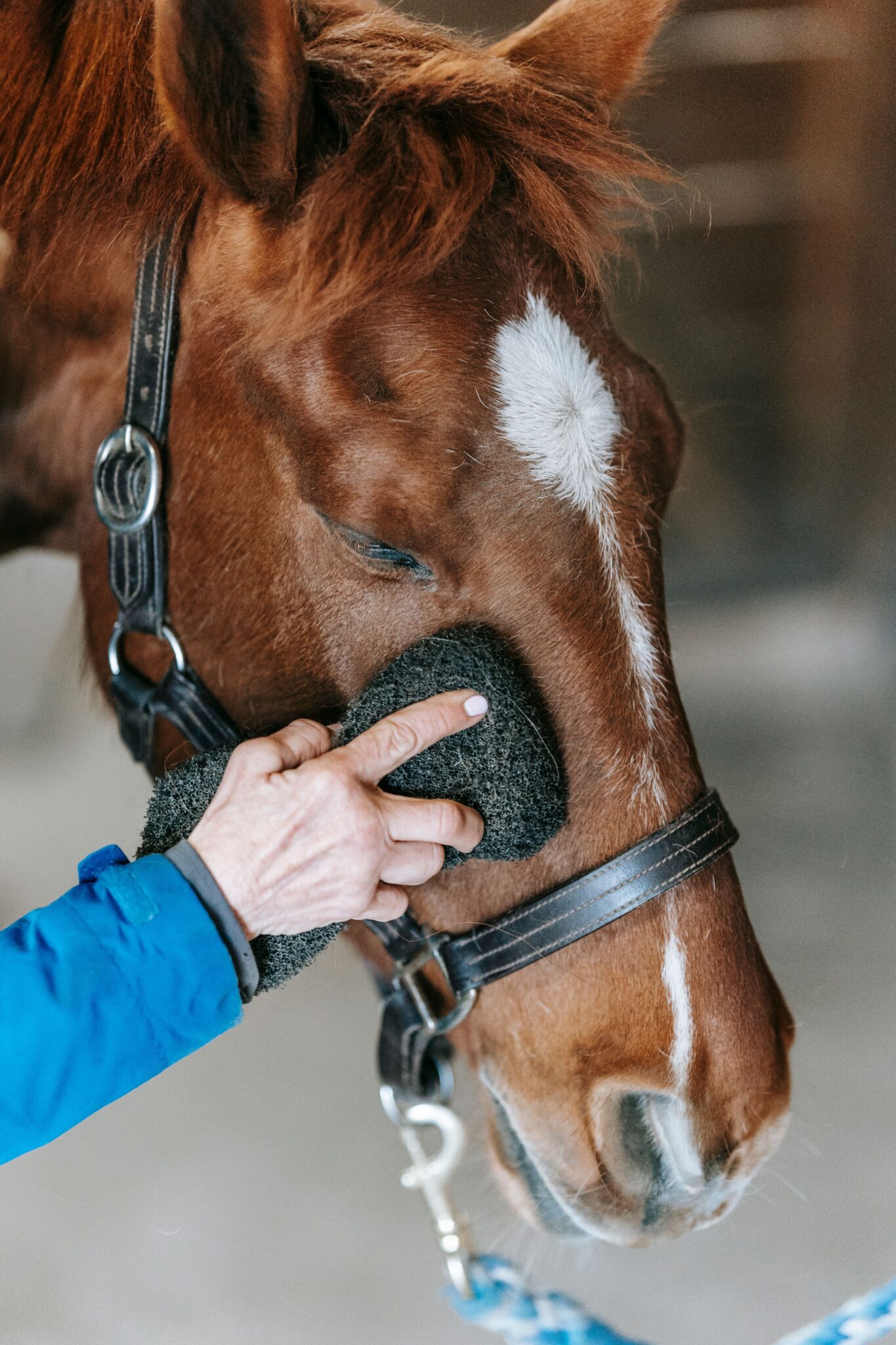
Preparation should make the session easier — not more stressful.
A clean horse photographs beautifully, but I am not expecting you to produce a show-ring robot.
Your horse may look around. They may move their feet. They may decide the tractor across the field is suddenly the most interesting thing they’ve ever seen.
That’s normal. We work with your horse instead of fighting them.
YOUR PREP TIMELINE
Don’t leave everything until the night before.
Start thinking about the big picture.
Choose outfits, decide which tack you want to use, think about the photographs you want, and let me know if there are specific ideas or must-have images you’d like us to plan around.
Take care of the things that don’t need to happen at the last minute.
Clean your tack, organize your grooming supplies, check that your halter or bridle fits properly, and walk your horse through any areas of the property where we’ll be photographing.
Bathing day.
If you’re bathing your horse, give the coat enough time to dry completely. This is also a good time to finish your tack cleaning and have your outfit ready to go.
Give yourself more time than you think you need.
Groom your horse, get yourself dressed, pack your touch-up supplies, and arrive without feeling rushed. Rushing makes everything harder — including getting your horse relaxed.
01 · YOUR HORSE
Groom your horse like you’re going somewhere important.
Professional cameras see a lot. Dirt, dust, dried sweat, green stains and bits of bedding that you stopped noticing at the barn suddenly become very obvious in a close portrait.
You don’t have to make your horse perfect. Just give them a thorough, thoughtful grooming.
- Brush from head to tail and remove loose hair.
- Clean around the eyes, muzzle and nose.
- Brush out the mane, forelock and tail.
- Pick the hooves carefully.
- Remove obvious mud, stains and bedding.
- Keep a towel or rag nearby for last-minute touch-ups.
- Bring fly spray if your horse needs it.
Should I bathe my horse?
If possible, yes. Bathing the day before gives the coat time to dry and settle. If your horse is famous for rolling immediately after a bath, you know your horse best — adjust the timing accordingly.
What about shedding?
Don’t panic. Give your horse extra time with a curry comb and bring a brush for touch-ups. Shedding season is part of photographing horses.
Should I clip, braid or trim?
Prepare your horse the way you normally would for an important event. If your discipline calls for braiding, banding or a particular trim, follow your normal routine. A natural look is perfectly fine, too.
02 · TACK
Clean your tack.
Your horse may look incredible, but dusty leather and dirty hardware will still show up in photographs.
Clean your saddle, bridle, breast collar, saddle pad and anything else you plan to use. Make sure everything fits correctly and tuck away loose straps.
A simple leather or show halter is usually a clean choice for portraits. If you have something meaningful you’d like to use, bring it. We can decide together what photographs best.
03 · YOUR GROOMING BAG
Bring the little things.
You don’t need to bring the entire tack room. A small touch-up bag is enough.
- Brush or soft finishing brush
- Hoof pick
- Fly spray
- Towel or rag
- Baby wipes
- Show Sheen or your preferred coat product
- Extra halter and lead rope
- Treats, if your horse uses them
04 · YOU
What should you wear?
You don’t need a brand-new outfit. Choose something that feels like you and works with your horse, tack and location.
Neutral and earthy colors photograph beautifully, but that doesn’t mean you have to dress in beige. If you have a favorite color or a look that feels like you, bring it.
- Choose clothes you can comfortably move and walk in.
- Avoid large logos and extremely busy patterns.
- Bring clean boots or footwear appropriate for the location.
- Consider bringing a second outfit if your session includes a change.
- Bring layers if the weather is unpredictable.
- Don’t forget the little details — hair, nails, jewelry and anything you normally wear.
05 · ENERGY
Should I ride or work my horse first?
This depends completely on your horse.
If your horse is normally calmer after a little exercise, a light ride, turnout or groundwork beforehand may help. If exercise makes your horse hotter, tired or sweaty, that’s probably not what we want right before portraits.
You know your horse better than anyone. The goal is a horse who is comfortable, alert and able to focus — not one who has been worked into the ground.
06 · YOUR LOCATION
Take a look around before I arrive.
If we’re photographing at your barn or property, think about where you want the photographs to happen.
- Look for clean, uncluttered backgrounds.
- Move buckets, hoses, wheelbarrows and other obvious distractions.
- Make sure there is safe, usable footing.
- Think about where your horse is most comfortable.
- If we want movement photographs, make sure there is enough room to work safely.
- Let your horse explore any unfamiliar area ahead of time when possible.
You don’t have to turn your property into a photo studio. We’re looking for the best pieces of what you already have.
07 · WEATHER
What if the weather doesn’t cooperate?
We don’t need to force a session through bad weather.
Tennessee weather can change quickly, so I keep an eye on the forecast with you and make decisions based on what the conditions actually look like closer to the session.
Rain, dangerous storms, extreme heat or conditions that aren’t comfortable for you or your horse are good reasons to change plans.
Your horse’s comfort and safety come first. A rescheduled session is always better than trying to force a photograph on a day that simply isn’t cooperating.
08 · SESSION DAY
Once I arrive, you do not have to figure everything out.
I will look at the light, the location and your horse before we start. We will adjust the plan as we go. Horses change their minds. Light changes. Sometimes the image we planned is not the best image of the day.
Your horse gets a chance to settle and see what is happening before we ask for anything complicated.
Ears, feet, expression, posture and attention tell me when to wait, when to move and when to change the plan.
Standing, walking, riding, movement, interaction and the little in-between moments all have a place in the session.
THE PART EVERY HORSE OWNER NEEDS TO HEAR
What if my horse won’t stand still?
Don’t worry.
Your horse is going to notice birds, squirrels, tractors, dogs, other horses, mysterious noises and probably something you can’t even see.
I don’t expect them to stare at my camera for an hour. Some of the best photographs happen when they’re looking away, walking toward you, interacting with you or simply being themselves.
We’ll give them time. We’ll change things up. We’ll take breaks when needed.
You do not need to apologize for your horse being a horse.
09 · EASY THINGS TO FORGET
Common mistakes to avoid.
None of these are disasters. They’re simply the little details that are easy to overlook when you’re trying to get yourself and your horse ready.
- Waiting until you arrive to start grooming.
- Forgetting to clean the tack.
- Not bringing fly spray or a touch-up rag.
- Leaving your phone in your pocket during portraits.
- Wearing a hair tie around your wrist.
- Forgetting an extra outfit when you’ve planned a clothing change.
- Arriving rushed because you didn’t allow enough grooming time.
- Trying to force your horse to stand perfectly still.
- Choosing a busy background when a cleaner one is available.
SAVE THIS PART
Your horse photo session checklist.
Screenshot this section or come back to it the day before your session.
QUICK ANSWERS
Horse photo session FAQ.
Does my horse need to be professionally trained?
No. Your horse simply needs to be safe for the type of session we’re planning. I work with horses with different personalities and experience levels.
Should I bring someone with me?
If you can, yes. An extra set of hands can be incredibly helpful for holding your horse, getting ears forward, carrying grooming supplies or helping during an outfit change.
Can my dog or family be included?
Absolutely. Just let me know when we’re planning the session so we can build that into the schedule.
What time of day is best?
Many outdoor sessions are planned around the softer light near sunrise or sunset, but the best timing depends on the look we want, your location and your horse.
What if my horse is nervous?
Tell me ahead of time. We can plan around their personality, give them time to settle and avoid making the session more stressful than it needs to be.
What if my horse gets dirty right before we start?
Bring your grooming bag. This is exactly why we keep a few touch-up supplies nearby. And if they roll five minutes after you’ve finished grooming, we’ll deal with it.
TENNESSEE · GEORGIA · ALABAMA · SOUTHEAST
Horse photography throughout Tennessee and the Southeast.
I’m based in Cleveland, Tennessee and photograph horses and riders throughout Cleveland, Chattanooga, Ooltewah, Dayton, Knoxville, Nashville, Murfreesboro and surrounding Tennessee communities.
I also travel throughout Georgia, Alabama and the Southeast for horse photography sessions.
Most sessions take place at your barn, your property or a location we choose together based on your horse, the type of photographs you want and the look you’re after.
Ready to start planning? Explore my horse photography services or learn more about Horse & Rider Photography in Tennessee .
READY WHEN YOU ARE
Let’s plan your session.
You don’t need to have every detail figured out before you reach out. Tell me about your horse, where you’re located and what you’re hoping to create. We’ll take it from there.
Explore Horse Photography →